


Advance in Motion Physical Therapy Spotlight Series
Interview with Dr. Rock Vomer
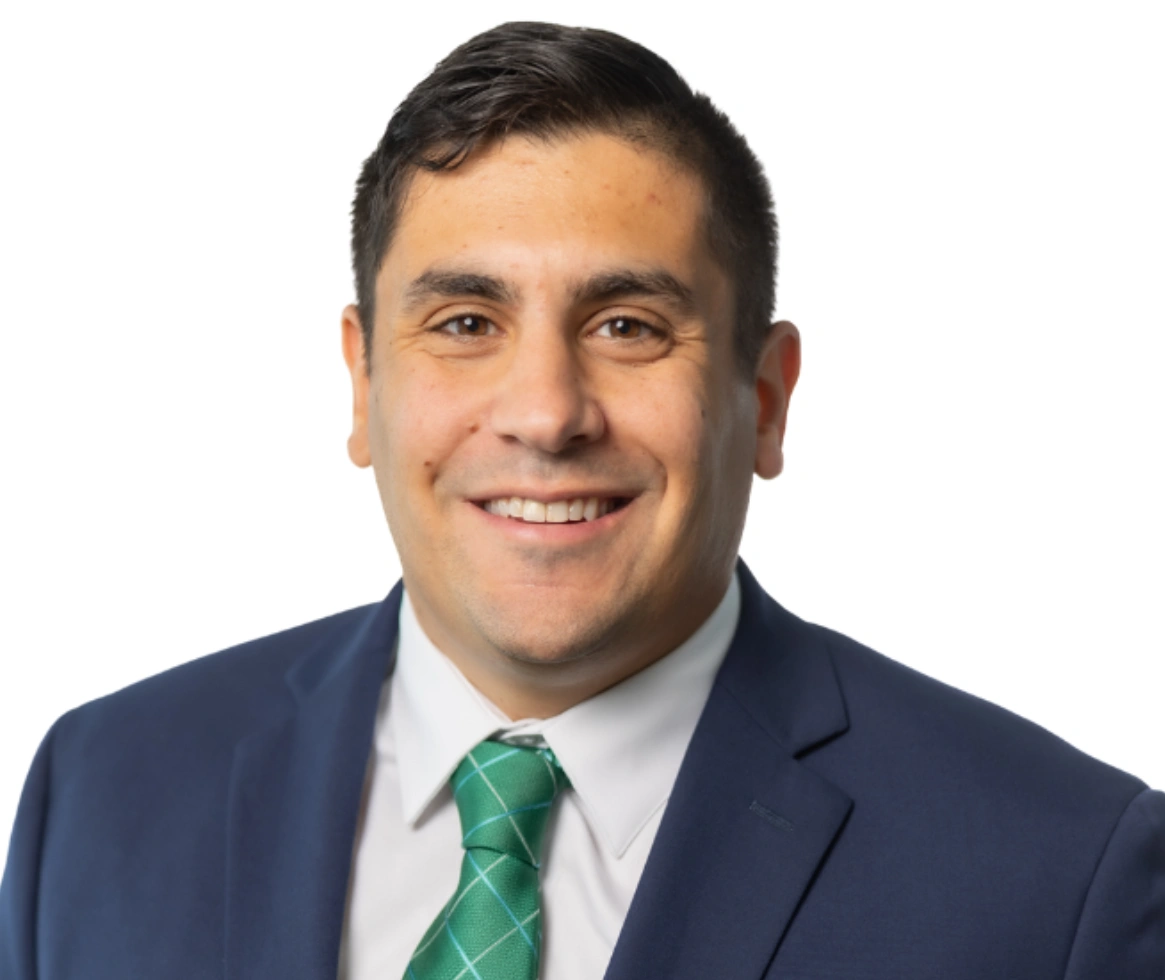
Spotlight Series Topic: Avance Care-Dr. Rock Vomer
Guest Name: Dr. Rock Vomer
Guest Credentials: DO, DPT, CAQSM
Discussion Details: Avance Care-sport medicine, primary care, nutrition, sports performance
Benefit of Watching: Comprehensive care for the athlete and anyone wanting to optimize their functional health
Address of guest’s business: 3904 Oleander Dr Suite 100, Wilmington, NC 28403
Dr. Joshua Lyon: Hi everyone, I’m Joshua Lyon, a physical therapist and owner of AIM Advance In Motion Physical Therapy and host of the provider spotlight series. With us today is Dr. Rock Vomer. He is board certified in both family and sports medicine as well as uh unique distinction of having his Doctor of Physical Therapy degree. We’ll uh touch on that here in a bit for sure, but he leads the team at Advanced Care here in Wilmington. has a research position with the Mayo Clinic focusing on sports medicine and works on policies to improve engagement and access to sports performance, weight loss, nutrition management, and truly takes a holistic approach with his patients. Outside of work, he enjoys time with his family, has a new baby, which uh definitely changes priorities and lifestyle, but also has extended family in town. His family founded Pure Protein, uh, which led to him having very active lifestyle outdoors, grew up playing football and baseball, so he has a special affinity for working with youth and collegiate sports teams. I know you’re going to learn a ton from him and I’m thrilled to have you on the show. Thanks for joining me, Dr. Vomer.
Dr. Rock Vomer: Thanks, Josh. I totally appreciate it.
Dr. Joshua Lyon: This I’m really looking forward to talking with you today.
Dr. Rock Vomer: Yeah, likewise.
Dr. Joshua Lyon: Um, yeah, definitely want to hear your story. you got a very unique one with obviously growing up active, you know, going into healthcare, physical therapy, and now uh your your current profession. So, tell us a little bit about what got you into healthcare, and that’s evolution.
Dr. Rock Vomer: Yeah, so evolution is probably a really good word for the journey. Um, originally, it started with exposure to my uncle’s company. I mean, I grew up watching him build Pure Protein and being around athletes and professional athletes and nutritionists. I got a really heavy root in being active, exercising, and applying science to help improve performance, you know, and for my athletic career, it was really helpful. But also for figuring out as a young person where you want to go from a professional development, it originally led me to physical therapy cuz I said, “Hey, like I can get a doctoral degree, understand rehab, performance, recovery, and help folks on the spectrum from when they’re hurt to returning back to the things they need to do and want to do. So that’s what led me to PT. Um originally I did my PT training in Pittsburgh at Duquesne uh University. It’s right in the heart of Pittsburgh. Uh it was an accelerated doctorate. And through that course of time at Duquesne, it’s kind of a couple things happen. The first was my exposure to uh human subject research particularly regarding the shoulder. Um you know being somebody who played football and baseball throwing athletes are always of interest and for me it made me love the shoulder and human biomechanics. And the second thing during that experience at Duquesne, my professional career decided to take a curveball. About halfway through my program for the doctoral physical therapy program, uh my grandfather was diagnosed with a progressive supranuclear palsy. Um which hyper rare neurodegenerative disorder. Um and our family, you know, we spent a lot of time hunting for a cure. And for that, unfortunately, like some conditions, there isn’t a cure. And it took us all over the country to major medical centers to find help. You know, really difficult period of time. And when you’re getting told, “No, there’s no cure,” you kind of lose a little bit of hope and kind of lose some faith in like uh the healthcare infrastructure. Um but I was fortunate to be able to see Mayo Clinic as a patient and a family member. Um for my grandfather, it kind of restored that hope and faith in like the medical infrastructure of what things can be. Not so much because there was a good answer. It’s because of the way the people treated us and related to us as people. And after that experience, it altered my professional trajectory to say I think a 180 is probably I was going down one path and I decided to go do another. I said after that I wanted to become a physician. So I went down to med school after my PT program uh you know graduation. Um and I went to medical school at Virginia Tech. It’s actually where I met my wife Emma and we did our training there. We’re both DOs. Um so we do you know the joint manipulation and the holistic patient approach which really belt well on the um biopsychosocial model that the physical therapists use as a foundational way to approach patient care which completely made sense in my brain. So it’s like I saw this three different situations of this is how you approach people as a whole person and work with them to get them healthy by using the natural approach first you know interventional things second not the other way around. So it clicked really well. Um then we went out to Norfolk at Eastern Virginia Medical School. That’s where we did our family residency and our uh quality improvement fellowship. And then for me I did uh my sports training at Duke. Um and during my fellowship the opportunity presented itself for us to return home or to Emma’s home where her family’s originally from um to open our own practice. And I did that as soon as I walked out of the door of fellowship. I just opened up my own shop which is fun.
Dr. Joshua Lyon: That’s incredible. That’s incredible. I love that journey especially going from like the athlete I’m sure you suffered injuries like any athlete has at some point right in your career going to PT route which I can’t remember if we we talked about this or not but I went to Pitt for PT school so I have a strong affinity for okay city as a whole Duquesne was just down you know the year but yeah so love Pittsburgh and then uh like you said you got now the whole picture of like you see patients diagnose them and now you’ve got this holistic view of being able to help them rehab prescribe them what they need whatever it may be um that’s a pretty awesome uh background you have. So, uh, tell us a little bit about your practice then because I know that’s what, uh, you know, obviously you’ve got the rehab background which is kind of unique to you. So, you have that to pull from, but obviously primary care, sports fellowship, like what’s talk about your patients, who’s going to be coming to you, what can you offer them, that kind of stuff.
Dr. Rock Vomer: 100%. Um, so when we built the clinic, we designed it off of a division one athletic department. We watched our, you know, our student athletes when I was at Duke and when Emma was at USC, that’s where she did her fellowship. Um, we said, what do the student athletes have that keep them healthy so they can train and perform at the highest level possible? And it really boils down to a clinically integrated team, right? So, we have physicians, we have PAs, we have NPs, we have nutritionists, we have behavioralists, and on-site we have X-ray, ultrasound labs, your DME, every single thing you would need to take care of. 95% of the entire patient experience, it’s a one-stop shop. Um, we saw that there, we translated it to the clinic. And what we aim to do with our patients is complete whole person care from the clinic. Obviously, we look at things through an active lifestyle to help folks improve their mobility, reduce their pain, and increase their quality of life so they can do the things they need to do and the things they want to do. Um, we use our unique team structure to do that, which is different than everyone else in the region here. We’re actually the only um clinically integrated unit for sports medicine in the entire southeastern region of the state.
Dr. Joshua Lyon: Oh, wow.
Dr. Rock Vomer: Oh yeah. Um so that’s kind of what our team does in terms of the patients that we work with. We work with folks from two to 102. Um across the board really the ideal patient for us is someone who wants to focus and partner with their physician to build sc evidence-based plans that are practical to help them get to their highest level of health.
Dr. Joshua Lyon: I love that. That’s awesome. So the one-stop shop uh yeah unique to y’all. What about you? You know as well as I do athletes tend to be a bit stubborn when it comes to getting treatment. like I’ll just, you know, I’ll walk it off. I’ll whatever it may be. That tends to be the mindset and a lot of us are fairly stubborn. So, what would you say to someone who, yeah, they’ve got something they’ve been dealing with for a little while. It’s kind of a nagging injury. You and I know it’s probably not getting better on their own, but like what would you say to them as far as here’s what I can offer you. Here’s why early care matters. Let’s get this taken care of before it becomes a bigger issue.
Dr. Rock Vomer: Yeah, I think that’s uh you know it’s reflective of all the like we work with a lot of the high schools, some of the university teams, Port City O.C., the Sharks without and without limits. They’re the teams we’re responsible for for taking care of. You’re right across the athlete spectrum, guys or girls, doesn’t matter what the age is. The push through it mentality, it’s always there. Um sometimes it’s reasonable, other times it’s not. When I think through of this, particularly as a physician and a physical therapist, my lens is how do I get you back to 100%. Because somebody playing at 50 or 60% of their best ability because they’re limited by like a naggy hamstring, they’re great examples of, oh, I’ll just recover. I’ll be fine. And then you lose power, you lose speed, then you go from a strain to a tear. Um, I think when I look at it, you’re better off getting earlier treatment and intervention quicker than waiting because that tear will set you back a season versus a couple of weeks. And when you look at it through that lens, losing a season or a year is much more impactful on a competitive cycle, whether you’re getting compensated or not, or if you’re going after a scholarship or not. And that’s kind of how I look at it. So I always encourage folks number one to get treated early and two it’s based on a good working relationship with somebody who understands the uniqueness of athletes and active people because that lens of the load from whatever the sport is in terms of mileage or time or weight or whatever you’re doing to increase your activity load. The person treating you and managing you has to understand that context because that context matters in plan development and plan deployment to help you get healthier.
Dr. Joshua Lyon: So and talk a little bit about that. Uh someone comes and sees the patient journey. A lot of people have this uh fear of the unknown. What’s the expect what can I expect? And so you got a lot of different disciplines that you can depending what the need is uh direct folks to. So talk you know very broadly on that patient journey. Someone comes to see you what should they expect for that first visit and then of the options beyond that.
Dr. Rock Vomer: Yeah. So it’s a great place to start. Um, and I I wish folks did a better job explaining what patients should experience when you have the privilege of working with someone. Uh, the way our team approaches uh care is through a precision medicine lens. So, we want the data. Um, your data whether it be your laboratories, your vitals, your biometrics, uh data from your wearables and your nutrition. My team, everybody builds with every patient case a biophysical profile. So, we know what’s going on externally and internally with your body. Anytime we do treatment adjustment for anything we’re managing for you, it’s always based on data because it’s science and we can use the science to help you build a strategic plan that fits your work life balance for the available time to make things better and also resource match for something like your food or your supplements or your sleep like what we will use what you have available to help you get healthier in a practical and sustainable manner and we do that with every single patient.
Dr. Joshua Lyon: Can you elaborate on that a little bit more then? Is that something you’re prescribing some of these things? Is it taking what patients already have and just bringing that into the uh clinical decisionm? What
Dr. Rock Vomer: Yeah, I can definitely that’s a really good question. Um we think through it from a prescriptive standpoint. Um so typically the first appointment I’ll get your actual blood work data so I actually know what’s going on. The second appointment, uh what I typically like to do is a body composition scan. Um so I know your muscle mass, your fat mass, and also your energy needs off of there. or the energy needs, which is the calories you need to consume. We actually calculate out your macros. So, your protein, your carbohydrates, and your fat. And then off of that, we look at your exercise plan in terms of the mode of exercise, the frequency of exercise, the timing. Um, so we can actually plan around that of you’re going to train Monday, Tuesday, Thursday, Friday, you’re off on Wednesday, Saturday, Sunday. Here’s the way you’re lifting, here’s the way you’re doing your cardio and your mobility. And that’s kind of how I approach it. But it’s exactly what you would do with a collegiate athlete or professional athlete of how do you prescribe the exercise and the nutrition science with the end goal of improving your blood sugar or helping you lose weight or reducing your cholesterol or whatever we’re working for because you can’t. There’s no prescription around the lifestyle. There’s no way around that with a pill. No matter how much folks want to just give you a medicine, the medicines help when they’re appropriate, but there’s no way to get around not moving. There’s no way to get around a poor diet. And there’s no way around not sleeping and managing stress. Like you have to have that as a basis. Medicines come in when they’re appropriate based on your data. And we kind of put both together. Um so I think that’s what makes us unique.
Dr. Joshua Lyon: That’s incredible. I I that to me that is so exciting that um anyone who wants to live either an active life and have like the longevity factor, anyone who wants to be sports specific and really accelerate their performance to have all those touch points and knowledge, you know, data points. That’s critical information. But the fact that y’all create it and prepare that for them and then direct them and guide them through that whole process, that is pretty unique. So, um, man, that’s awesome. Well, is there anything else that you would want to relay to anyone watching this? Any final comments either about yourself, your practice? Kind of open-ended here, but any final thoughts?
Dr. Rock Vomer: I think the biggest thing to think about as healthcare evolves is from what I’ve heard from our patients and our, you know, our neighbors and our friends in the area is everybody is looking for a health care partner, right? We’re on the journey together for our team. That’s what we do and that’s what we do every day. Um, and if you said the things that make us different, yeah, the science, application, skill, uniqueness, that’s there, but the real secret and not it’s not a secret, it’s how we treat all of our patients is we’re your partner long term. Um, and we we we make your decisions together. We don’t make decisions for you. And I think everybody deserves that opportunity to have someone who’s willing to serve and work with them. And that’s why we’re here. That’s what my team’s here for. That’s why we built the practice because we’re rooted and in this community cuz our family’s here. I think that’s kind of the big thing I’d say that’s about us. And I think the like a big takeaway for patients. Um, something that’s unfortunate, but we do see is some folks have had bad experience with American healthcare, right? where it takes forever to get in. They didn’t feel like they were listened to or heard and it kind of leads folks to disengage um from healthcare across the spectrum. And on anyone who has feel felt that or um you know experienced that as someone who went through that of why this whole journey started for me of being turned off and then being the light bulbs went back on. Don’t give up hope. I think for the patient, if that ever happened to you, I’m sorry and it shouldn’t have. But don’t give up hope. If you’re willing to give somebody else a try, my team’s here to help you.
Dr. Joshua Lyon: I love that. I think that info is going to resonate with a ton of people. The opportunity that you create for a lot of folks to take care of the whole person and not just my shoulder hurts type thing is pretty incredible. So, thank you for your time.